

Track: AI in Dermatology & Advanced Skin Imaging
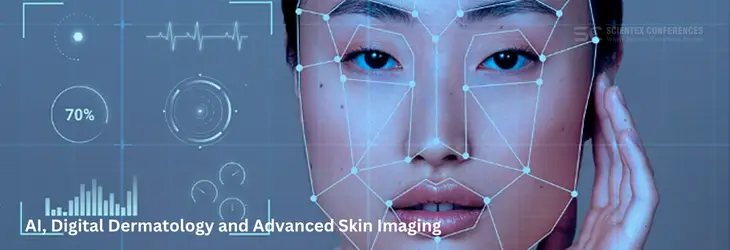
AI, Digital Dermatology and Advanced Skin Imaging looks at how dermatology is changing with the help of artificial intelligence, digital health, and new imaging technology. The session explores how machine learning, computer vision, telemedicine, digital biomarkers, and advanced imaging can assist in earlier diagnosis, better clinical decisions, remote consultations, and tailored treatments. Experts will talk about real-world uses, technological advances, clinical testing, data quality, system compatibility, and how to responsibly use AI in dermatology.
Key Discussion Areas
- AI-assisted diagnosis
- AI for melanoma and skin cancer detection
- Machine learning and computer vision
- Advanced dermoscopy and imaging
- Multispectral imaging
- Teledermatology
- Digital biomarkers
- AI-supported clinical decision-making
- Clinical validation of AI tools
- Healthcare data and interoperability
- Privacy and ethics
- Human–AI collaboration
Importance of the Session
This session shows how AI, digital health, and advanced imaging are becoming more important in dermatology. It brings together clinicians, researchers, and tech developers to explore practical uses of AI in diagnosis, imaging, remote care, and patient tracking. It also gives healthcare technology companies, AI developers, medical imaging firms, digital health platforms, and medical device makers a chance to connect and share ideas.
Who Should Attend?
This session is for dermatologists, dermatopathologists, researchers, academics, healthcare professionals, digital health specialists, AI and machine learning experts, medical imaging professionals, healthcare tech companies, medical device specialists, pharmaceutical and biotech professionals, healthcare leaders, and innovators interested in the digital transformation of dermatology. Participants are encouraged to share their latest research, technology, clinical use, and innovations with a global audience. Researchers, clinicians, and industry professionals are invited to submit their abstracts and contribute to the scientific program.

Quick Links
Explore More
Past Conferences
Past Webinars
General Enquiry
Finance Enquiry
Contact Number
- (+1) 689 267 4172